

Manufacturing Sector Faces the Highest Industrial Control System Attack Rate, SonicWall Report Finds
Modern manufacturing’s reliance on connected machinery and operational technology is expanding the attack surface, prompting a crucial shift toward proactive cyber resilience.
The manufacturing sector continues to face serious cybersecurity challenges, with a new SonicWall report highlighting it as the industry with the highest rate of attacks targeting Industrial Control Systems (ICS).
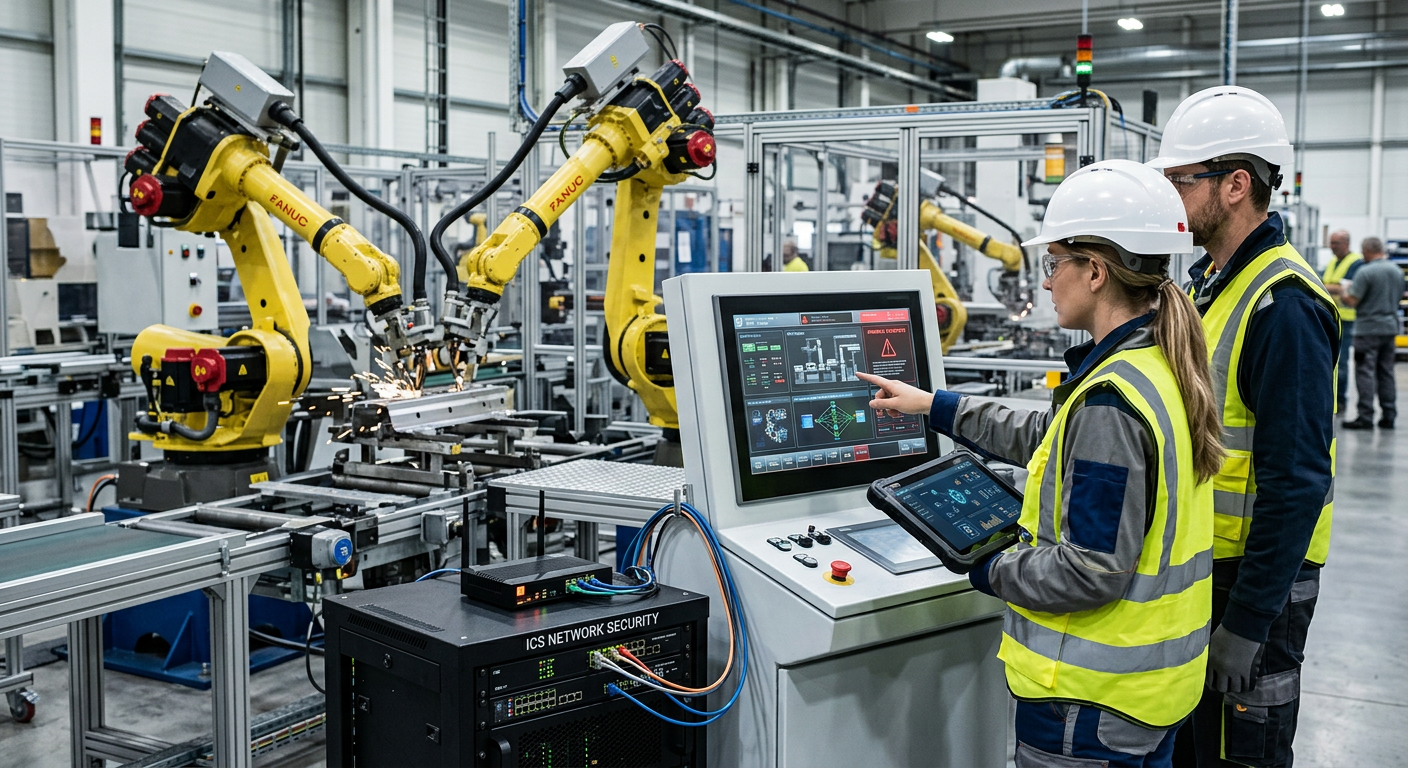
The findings are particularly significant because modern manufacturing increasingly depends on connected machinery, automation systems, operational technology and industrial networks. While this digital transformation has improved efficiency and productivity, it has also expanded the potential attack surface for cybercriminals.
Interestingly, the report found that intrusion attempts targeting the manufacturing sector fell by 56%. However, the industry still recorded the highest ICS attack rate, showing that a decline in overall attack attempts does not necessarily mean industrial environments are becoming less vulnerable.
The Convergence of IT and OT
Industrial Control Systems are responsible for monitoring and managing critical processes, making cybersecurity incidents potentially disruptive to production lines and business operations. A successful attack could lead to operational downtime, financial losses and wider supply-chain disruptions.
The growing convergence of IT and operational technology is adding further complexity. Manufacturers must now protect traditional corporate systems alongside connected factory equipment and industrial networks.
A Proactive Defense Strategy
The findings underline the need for a more proactive cybersecurity strategy. Manufacturers can reduce risks across their connected environments by focusing on core operational safeguards:
Continuous Monitoring: Implementing real-time oversight to detect anomalies across both IT and OT networks before they escalate.
Network Segmentation: Isolating critical industrial control systems from standard corporate networks to prevent lateral threat movement.
Stronger Access Controls: Enforcing strict authentication measures and zero-trust principles for personnel and third-party vendors.
Regular Security Assessments: Conducting routine vulnerability testing tailored specifically to the unique constraints of industrial hardware.
As smart manufacturing and industrial automation continue to expand, cybersecurity will become an increasingly important part of operational resilience. For manufacturers, protecting industrial systems is no longer just an IT responsibility—it is essential to keeping production running securely and reliably.
